Thinking about buying a home in Evergreen but not sure how the mountain market really works? You are not alone. Evergreen offers a lifestyle that is different from city and suburban living, and that means the market moves differently too. In this guide, you will learn how inventory flows by price band, when to shop, what property types are common, and the mountain-specific checks that help you buy with confidence. Let’s dive in.
Evergreen market snapshot
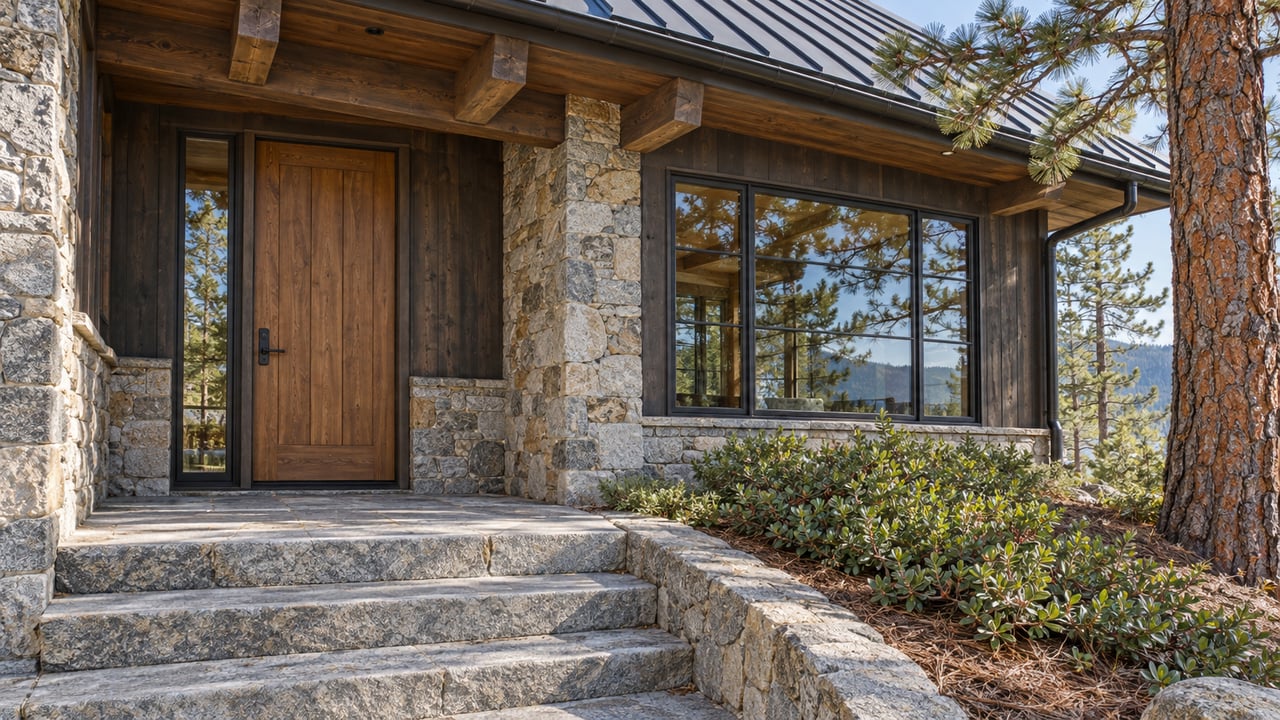
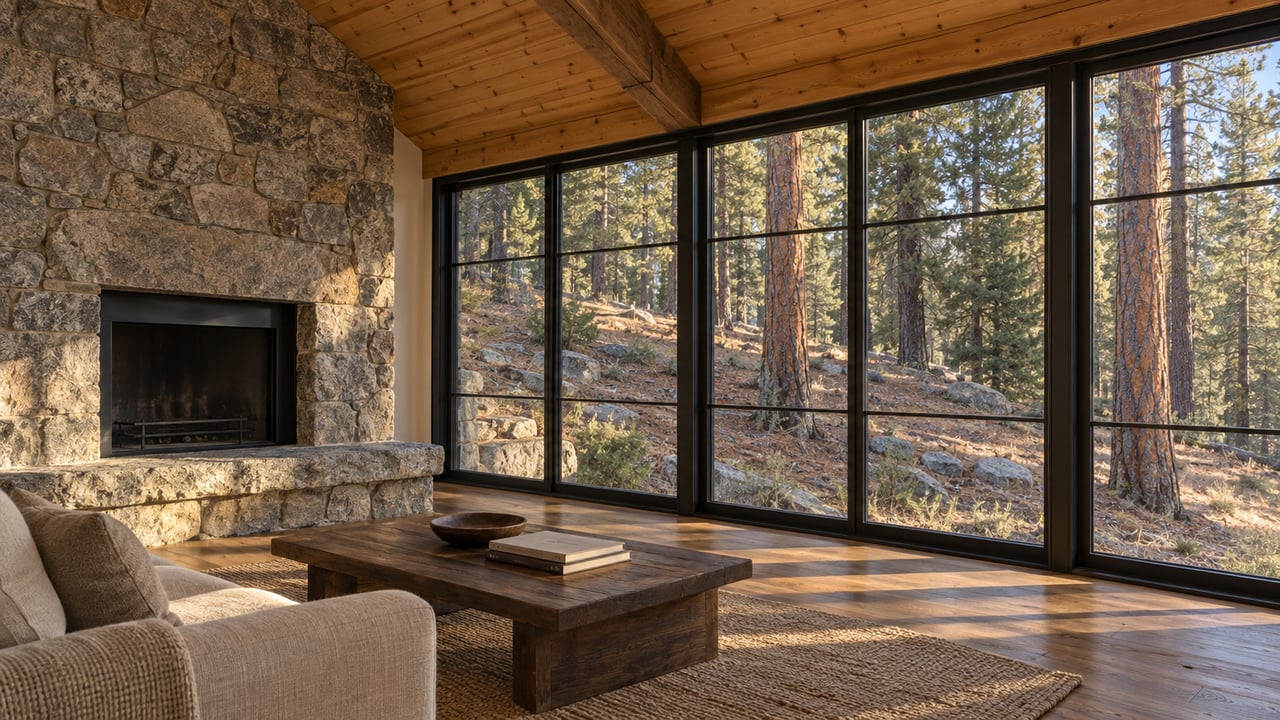
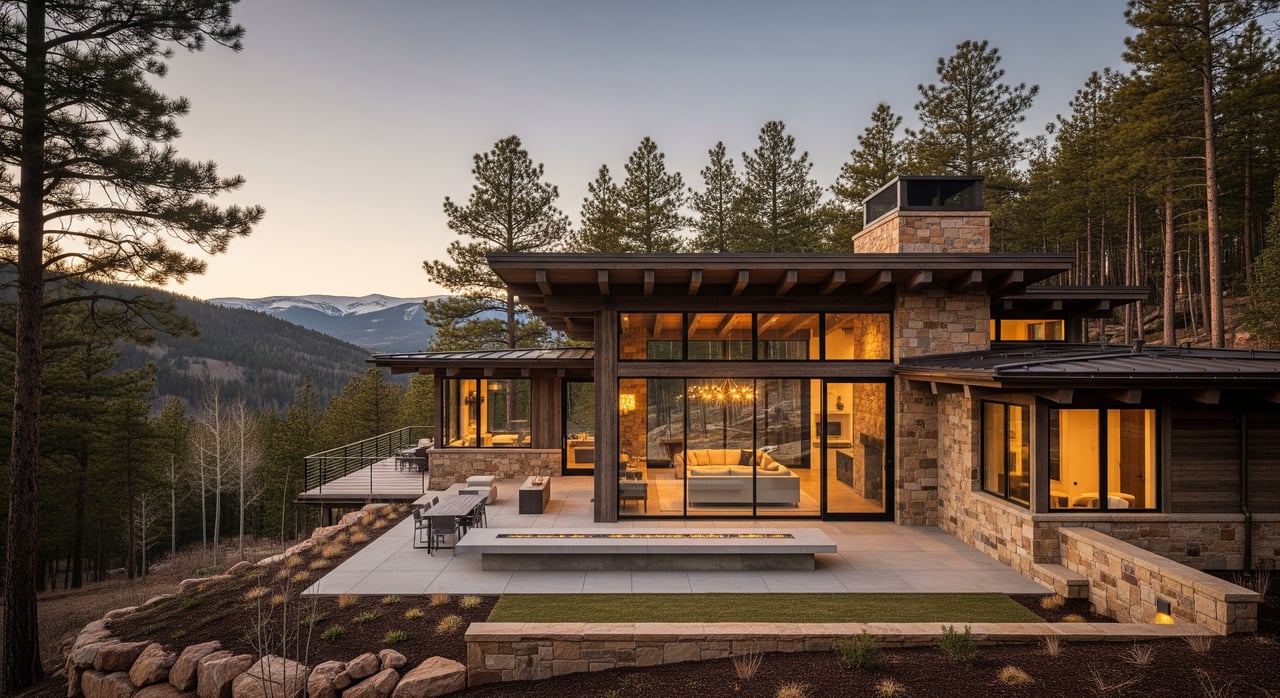
Evergreen is a Front Range foothills community west of Denver. Homes tend to be more rural and mountain-oriented, with fewer high-density developments compared with metro areas. You will see more detached single-family homes on wooded lots, along with cabins and some townhomes or condos.
Expect longer, more weather-sensitive commutes compared with flatland suburbs. Winter conditions can affect access and timing. Mountain living also comes with unique cost and risk factors, such as wildfire exposure and the possibility of private wells and septic systems.
Because inventory is thinner overall than in larger suburbs, planning and timing matter. Properties are often unique, so you will want to be ready when the right fit appears.
Price bands and what to expect
Evergreen’s pricing behaves differently by band. Exact thresholds shift with interest rates and seasons, so use current MLS data when you are active. Here is how the bands typically behave:
Entry-level options
- What you will see: Condos, townhomes, and smaller cabins or older cottages on modest lots.
- How they move: These homes tend to turn over fastest and draw the most competition from buyers trying to be in Evergreen proper.
- What to plan: Have a strong pre-approval and be ready to act quickly when a well-priced listing hits.
Mid-price detached homes
- What you will see: Detached homes on forested lots, many built from the 1970s through the 2000s. Some are updated, some are in original condition.
- How they move: Supply is limited and buyer demand is broad. Well-priced, well-presented homes can see multiple offers.
- What to plan: Condition, comparables, and access drive value. Be precise with your comps and inspection scope.
Upper-mid and luxury
- What you will see: Larger homes, more acreage, custom features, expansive views, or lake and river frontage.
- How they move: More selection relative to the number of buyers, but each property is unique. Days on market can vary widely.
- What to plan: Pricing and negotiation hinge on unique attributes like views, privacy, and access. Expect more due diligence and longer timelines.
Estate and high-end
- What you will see: Multi-acre estates and rare, specialized properties.
- How they move: Small numbers with seasonal patterns and longer market times.
- What to plan: Marketing strategy, timing, and patient negotiation matter. Match the property to the right use and lifestyle.
Seasonality and timing strategies
Evergreen follows the broader Front Range pattern with added weather nuance.
Busy season window
Late spring through early fall tends to be the most active for new listings and showings. You will see more choices, but you will also face more competition if a home is well priced.
Winter opportunities
Fewer listings appear in winter, but sellers can be more motivated. Showings can be complicated by snow and limited daylight, so plan flexible schedules and allow for access coordination.
Days on market by band
- Entry-level condos and smaller homes often see the shortest days on market if priced competitively.
- Mid-priced detached homes vary based on condition and the most recent comparables.
- Higher-priced and unique homes spend longer on market, with more price reductions and negotiation around property-specific issues.
Property types you will encounter
Evergreen has a dominant single-family profile, with pockets of condos and townhomes near commercial areas.
Common property types
- Detached single-family homes ranging from small cabins to large custom builds.
- Cabins and older cottages that may have older systems and compact lots.
- Townhomes and condos clustered near services and recreational hubs.
- Vacant land and acreage parcels that require added due diligence for buildability and access.
Mountain-specific checks buyers should prioritize
Buying in the foothills involves site and systems you may not see in the city. Build these checks into your plan early.
Utilities and water
- Many homes rely on private wells and septic systems. Confirm well permits, water rights when applicable, and recent test results. Verify septic permits and maintenance history.
Roads and access
- Some homes have steep driveways, long private roads, or shared easements. Understand winter plowing, maintenance responsibilities, and how grades affect daily access.
Wildfire risk and defensible space
- Forested lots increase wildfire exposure. Ask about mitigation work, available assessments, and local requirements. Insurers often prefer or require active mitigation and fire-resistant features.
Flood and drainage
- Mountain drainages and snowmelt can influence localized flood risk. Factor drainage patterns and any mapped risk into your evaluation and insurance planning.
Lot slope and buildability
- Steep or rocky terrain can limit future expansions and increase renovation costs. The site can also affect permitting and insurance.
HOA and covenants
- Some areas have HOAs with architectural guidelines or road maintenance responsibilities. Others are unincorporated with few restrictions. Verify rules, fees, and budget health.
Taxes and special districts
- Properties can fall within multiple jurisdictions or special districts for fire, water, sanitation, or metro services. These affect tax bills and available services.
Deal mechanics that surprise buyers
Mountain transactions can include extra steps and timing considerations.
Insurance and premiums
Wildfire exposure, roof materials, and proximity to forested areas can influence insurability and cost. Secure quotes early and factor mitigation requirements into your budget.
Appraisals and valuation
Unique homes and larger lots often lack close comparable sales. Appraisals can be more complex and may involve wider adjustments. Be prepared to support value with detailed comps and property attributes.
Inspection scope
Plan for specialized inspections. Include roof and chimney, foundation behavior on sloped sites, septic and well systems, and HVAC suited to mountain conditions, including propane systems where applicable.
Title and easements
Confirm recorded access, utility easements, and any historical rights that could affect use. Clarify maintenance obligations for shared roads or driveways.
How to focus your search
A little prep makes a big difference in a thin-inventory market.
Define your priorities
- Commute tolerance by season.
- Lot size, trees, and views.
- Elevation and winter access.
- School district boundaries and any program preferences.
- Must-haves versus nice-to-haves.
Lock your price band
- Use current MLS data to understand bands at the time you shop.
- Know your ceiling and your comfort range.
- Consider how condition and access influence value within the same band.
Track micro-areas
- Shortlist 3 to 6 focus areas such as Evergreen proper, Bergen Park, Hiwan, or adjacent foothills.
- Review recent sales and days on market in those areas.
- Set alerts for new listings and price changes so you can tour quickly.
Prep for due diligence
- Line up septic and well inspectors, wildfire risk assessors, and roof or chimney specialists.
- Get insurance quotes early to surface any wildfire or roofing issues.
- Discuss offer terms that match the property type, such as longer diligence periods for unique or higher-priced homes.
Strategy by buyer profile
Different goals call for different tactics.
First-time or entry-level buyer
- Focus your search so you can act fast on competitive condos, townhomes, or small cabins.
- Keep your pre-approval current and have proof of funds ready for earnest money.
- Consider flexible closing timelines to edge out similar offers.
Move-up buyer targeting mid-price homes
- Weigh condition and access carefully. A well-priced home with strong access can move quickly.
- Bring a clear inspection plan and realistic renovation timeline if the home is not fully updated.
- Prepare for multiple-offer situations on clean, move-in-ready listings.
Luxury and acreage buyer
- Expect longer timelines to find the right fit. Each home is unique, and valuation is nuanced.
- Build in time for site-specific due diligence such as access, drainage, and mitigation planning.
- Tailor terms to the seller’s needs. Longer closings or specific contingency structures can unlock a better outcome.
What this means for you
Evergreen rewards buyers who pair lifestyle goals with a precise, mountain-smart plan. You will find fewer homes for sale than in larger suburbs, and the best matches can appear suddenly. If you prepare financing, target the right price band, and plan for mountain-specific due diligence, you will be ready to act when the right property hits your list.
Ready to create a clear plan for your Evergreen search and tour homes that match your lifestyle? Connect with Mary Rosinski to map your price band, set up alerts, and start strong.
FAQs
How is Evergreen pricing different from Denver suburbs?
- Prices vary by property type and lot characteristics. Mountain-specific premiums for views, privacy, and acreage, plus limited supply in certain bands, create more variability than in typical subdivisions.
What season is best to buy in Evergreen?
- Late spring through early fall brings more listings and activity, while winter offers fewer choices and sometimes more motivated sellers. Your strategy depends on whether selection or negotiation leverage matters more.
Are homes in Evergreen harder to insure because of wildfire risk?
- Insurance can be more impacted by wildfire exposure, roof materials, and defensible space. Get quotes early and factor mitigation steps into your plan and budget.
What inspections are essential for mountain homes in Evergreen?
- In addition to a general inspection, prioritize roof and chimney, septic and well systems, foundation on sloped sites, and HVAC and propane systems common in mountain properties.
How fast do entry-level homes sell in Evergreen?
- Entry-level condos, townhomes, and smaller cabins often see the shortest days on market when priced well. Have financing ready and act quickly when a fit appears.