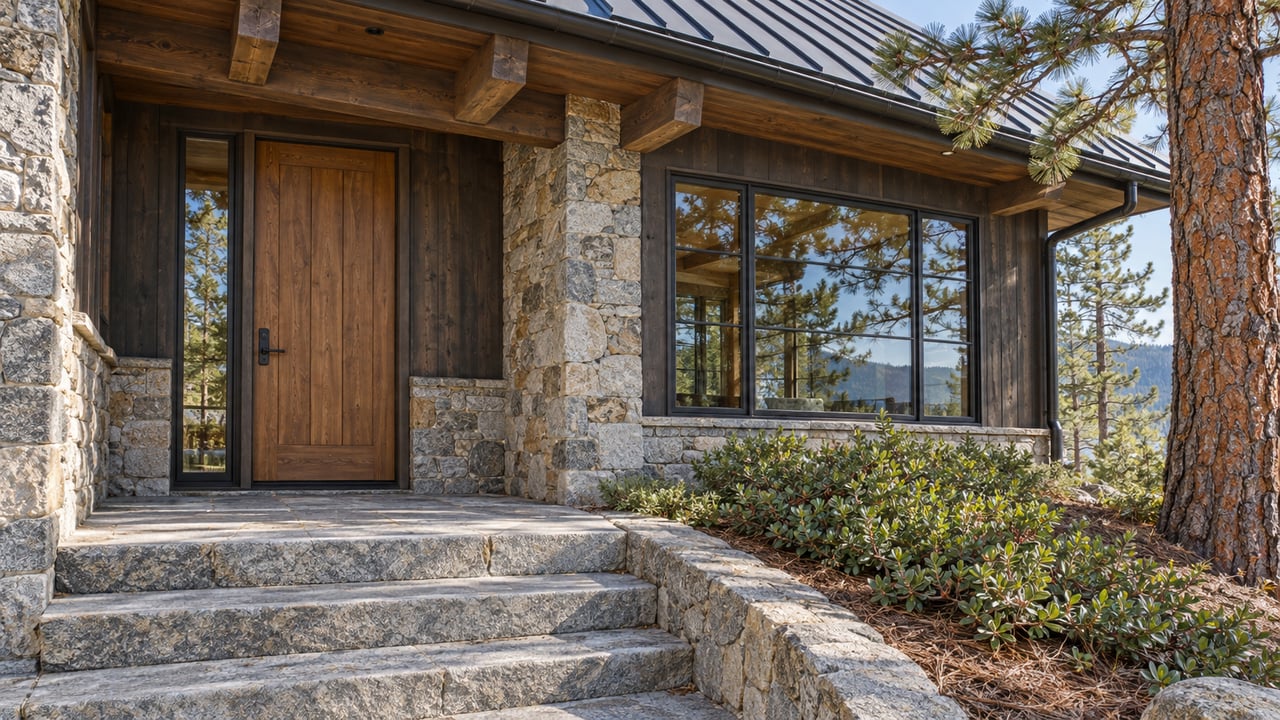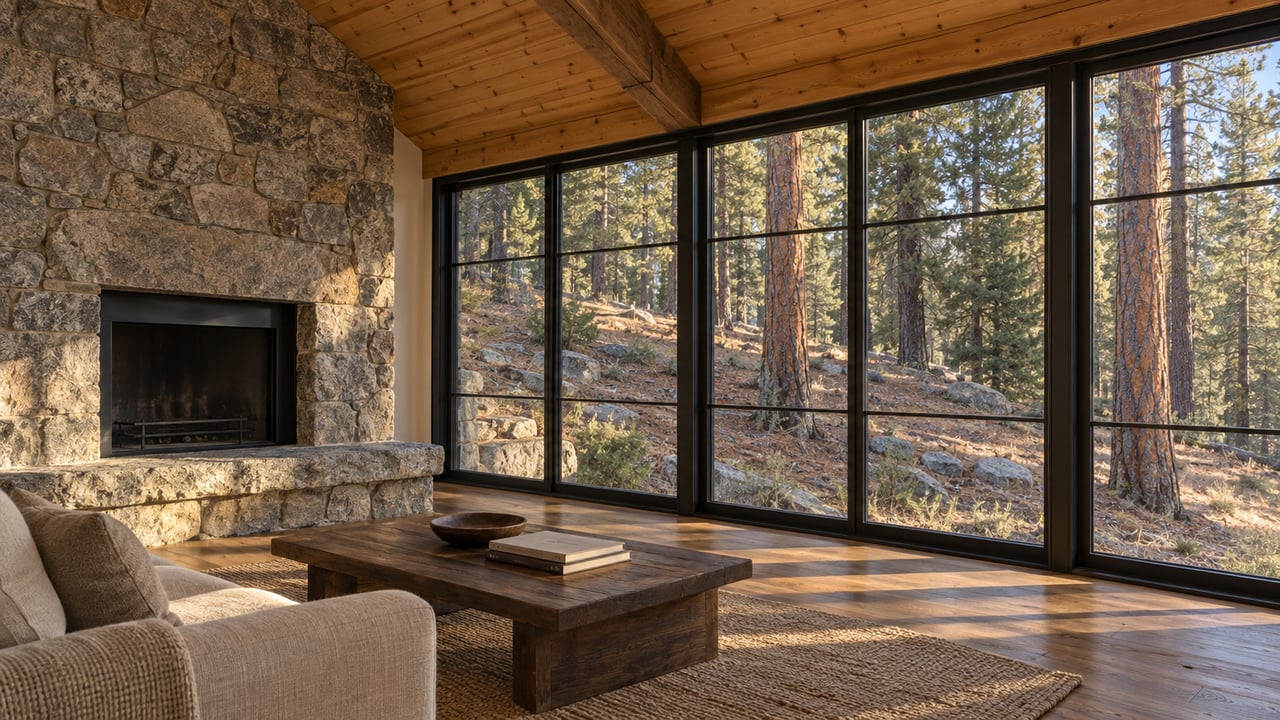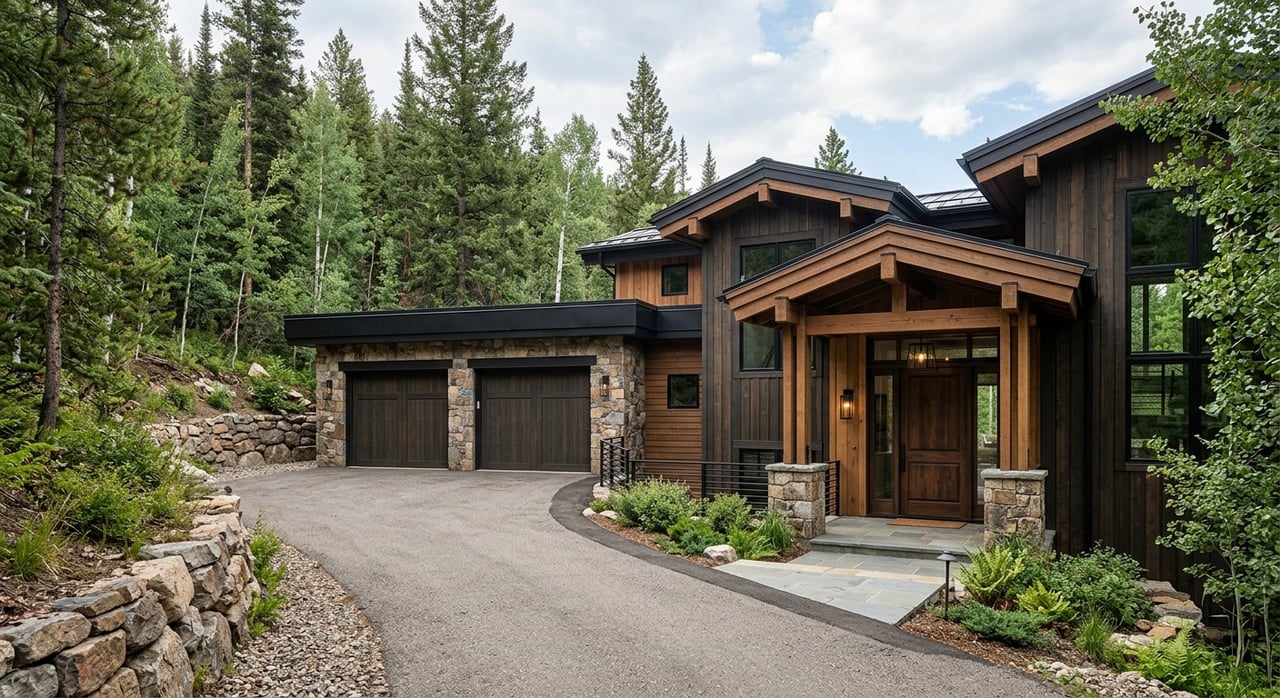
Thinking about trading Denver city blocks for Evergreen pines? It can be an exciting move, but it is not just a change of address. You are also shifting into a different housing market, a different daily rhythm, and a different kind of homeownership. This guide will help you understand the biggest lifestyle and market changes so you can move with confidence. Let’s dive in.
Evergreen Feels Different From Denver
Evergreen is an unincorporated community in Jefferson County, not a standalone city. That matters because daily life there is shaped more like a foothills county community than an urban municipality.
Compared with Denver, Evergreen is much less dense and much more owner-occupied. Census data shows Evergreen with 9,307 residents and a population density of 807.8 people per square mile, while Denver has 729,019 residents and a density of 4,674.3 people per square mile. Evergreen also has an owner-occupied housing rate of 88.8%, compared with 48.8% in Denver.
For you, that usually means a quieter setting and a stronger ownership-oriented feel. If you are moving from Denver, the biggest adjustment may be how much more space surrounds you, both on your lot and in your day-to-day environment.
Home Prices Usually Rise
One of the first market shifts you will notice is price. Current market data shows Evergreen prices running well above Denver, although the exact gap depends on whether you compare sale prices or listing prices.
Redfin reports a March 2026 median sale price of $630,000 in Denver and $995,000 in Evergreen. Realtor.com shows a median listing price of $545,000 in Denver versus $969,000 in Evergreen. That puts the typical price gap in roughly the $365,000 to $424,000 range.
That difference can change what your budget buys. A buyer coming from Denver may find that Evergreen offers more land, more privacy, and more mountain setting, but usually at a noticeably higher entry point.
Housing Options Narrow In Evergreen
Denver gives you a broad housing menu. Market trackers highlight condos, townhomes, multifamily options, new construction, and other urban-style choices across many price points.
Evergreen has options too, but the mix is different. Current listings include single-family homes, condos, townhouses, land, waterfront homes, vintage homes, and properties with significant acreage. The key difference is that Evergreen inventory is thinner and lot size, setting, and privacy can change pricing quickly.
That means your home search often becomes more lifestyle-driven. Instead of choosing mainly by square footage or proximity to city amenities, you may be weighing factors like acreage, topography, views, road access, and how close you want to be to trail systems or main routes.
Evergreen Prices Vary By Area
Evergreen is not one uniform market. Pricing can shift a lot depending on location and property type.
Current Redfin neighborhood medians show North Evergreen at $950,000, Hiwan Hills at $862,500, Evergreen Meadows at $1.3 million, The Ridge at Hiwan at $1.75 million, and Kerr Gulch at $2.35 million. Those numbers show how quickly the market can move based on setting and home style.
If you are moving from Denver, it helps to look beyond the average headline price. In Evergreen, two homes with similar square footage can feel very different in value because of land, privacy, elevation, and overall mountain setting.
Inventory Is Smaller But Conditions Are Looser
Evergreen remains a competitive and expensive market, but it is offering more breathing room than the most frenzied years. That can be good news if you are trying to make a thoughtful move from Denver.
Realtor.com shows 248 homes for sale in Evergreen compared with 4,124 in Denver. The same source reports 36 median days on market in Evergreen and 41 in Denver, with sale-to-list ratios of 99% and 100% respectively.
At the same time, Evergreen inventory is up 37.37% year over year, and median sale price is down 11.10% year over year. That does not make Evergreen cheap, but it does suggest buyers may have a bit more room to compare options, negotiate carefully, and avoid panic decisions.
Your Commute May Change More Than You Expect
The lifestyle shift from Denver to Evergreen is not only about the house. It is also about how you move through your day.
Census QuickFacts shows a mean travel time to work of 28.8 minutes in Evergreen compared with 24.9 minutes in Denver. Jefferson County planning data also points to a longer average commute and a road system that funnels many trips onto State Highway 74, County Road 73, and I-70.
In practical terms, that means your commute may feel less predictable even if the mileage does not seem dramatic. Road conditions, weather, incidents, and construction can have a bigger impact in Evergreen than they often do in central Denver.
Car Dependence Is Part Of The Trade-Off
If you like the idea of mountain living, it helps to be realistic about transportation. Evergreen has transit options, but most daily routines still center on driving.
Jefferson County planning data shows 67.9% of residents driving alone to work, 16.2% working from home, and only 1.2% using public transportation. RTD serves Evergreen Park-n-Ride with one bus route and one FlexRide route, with FlexRide operating by reservation on weekdays and Saturdays.
For some households, that transit service is useful as a backup or commuter tool. Still, if you are moving from a more connected part of Denver, you will likely rely on your car more often for errands, appointments, and recreation.
Foothills Living Changes Daily Priorities
Many people choose Evergreen for exactly what it is not. It offers a mountain setting, a rural atmosphere, and a lower-density lifestyle that can feel like a reset from city pace.
Jefferson County’s Evergreen Area Plan notes that people move there by choice for the mountains, rural atmosphere, and environmental quality. That same plan also emphasizes preserving mountain community character, which helps explain why the area feels distinct from Denver.
If that lifestyle is what you want, the trade-off may feel worth it. You are often gaining scenery, privacy, and a different relationship to your surroundings, even if daily errands require more planning.
Due Diligence Matters More In Evergreen
A move from Denver to Evergreen also changes what you need to evaluate before you buy. In the foothills, the land and the setting are a bigger part of the decision.
Jefferson County identifies water, steep slopes, wildfire, visual resources, wildlife, and transportation as key planning considerations in Evergreen. These are not small details. They can affect how a property functions, how it feels season to season, and what ownership looks like over time.
That is why mountain-home due diligence often needs a more detailed approach. A home can be beautiful in photos and still require careful review of access, site conditions, and location-specific factors before you move forward.
Outdoor Access Is A Major Draw
For many buyers, Evergreen’s biggest lifestyle upgrade is easy access to open space and trails. If you want your weekends to start closer to the outdoors, Evergreen can deliver that in a way Denver usually cannot.
Jeffco Parks & Open Space manages more than 58,000 acres and over 275 miles of trail. Near Evergreen, Elk Meadow Park connects Bergen Park to Evergreen Lake through the Pioneer Trail and also provides access to Bergen Peak and other higher-elevation hiking routes.
That kind of access shapes daily life. You may still commute to work or head into Denver for certain needs, but your home base can feel much more connected to recreation, scenery, and mountain pace.
Is The Move Worth It?
For many Denver buyers, the answer depends on what you want your next chapter to feel like. If you value walkability, broader inventory, and lower median pricing, Denver may still fit better.
If you want more space, a more ownership-oriented setting, and easier access to the foothills lifestyle, Evergreen can be a strong fit. You just need to go in with clear expectations about higher home prices, fewer available listings, and a daily routine that depends more on roads and timing.
A move like this works best when your lifestyle goals and your housing budget match the reality of the market. That is where local guidance can make a real difference.
If you are weighing a move from Denver to Evergreen, Mary Rosinski can help you compare neighborhoods, understand foothills pricing, and navigate the details that come with a mountain-area purchase.
FAQs
What is the biggest lifestyle change when moving from Denver to Evergreen?
- The biggest shift is usually moving from a dense urban environment to a lower-density, owner-occupied foothills community with more space, more car dependence, and a quieter daily pace.
How much more expensive is Evergreen than Denver?
- Recent market data shows Evergreen running roughly $365,000 to $424,000 higher than Denver, depending on whether you compare median sale prices or median listing prices.
Does Evergreen have fewer homes for sale than Denver?
- Yes. Current market data shows far fewer homes for sale in Evergreen than in Denver, which means your choices may be more limited even when market conditions are somewhat looser than in past years.
Is commuting from Evergreen to Denver realistic?
- Yes, but you should expect a more road-dependent commute with timing that can vary based on weather, traffic, incidents, and the limited routes serving the foothills.
What should buyers pay special attention to in Evergreen homes?
- Buyers should pay close attention to property-specific factors common in the foothills, including water, steep slopes, wildfire considerations, wildlife, transportation access, and overall site conditions.
Is Evergreen in Clear Creek County?
- No. Evergreen is an unincorporated community and census-designated place in Jefferson County.