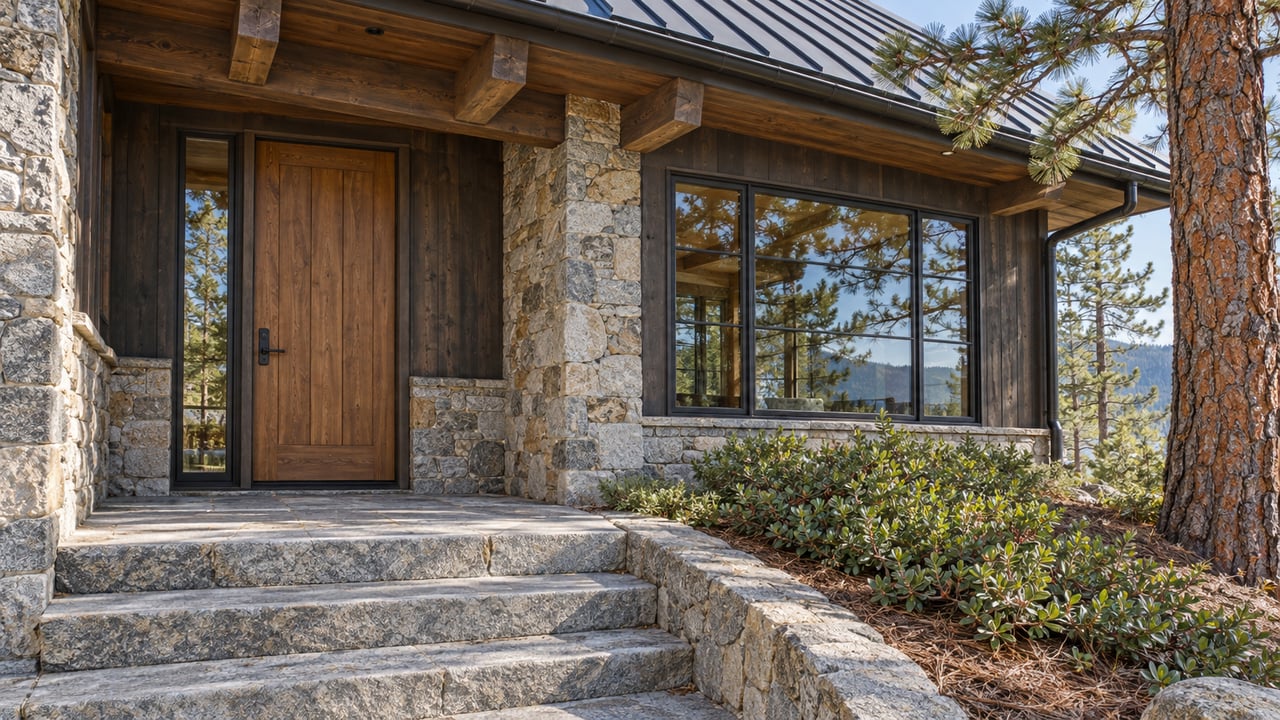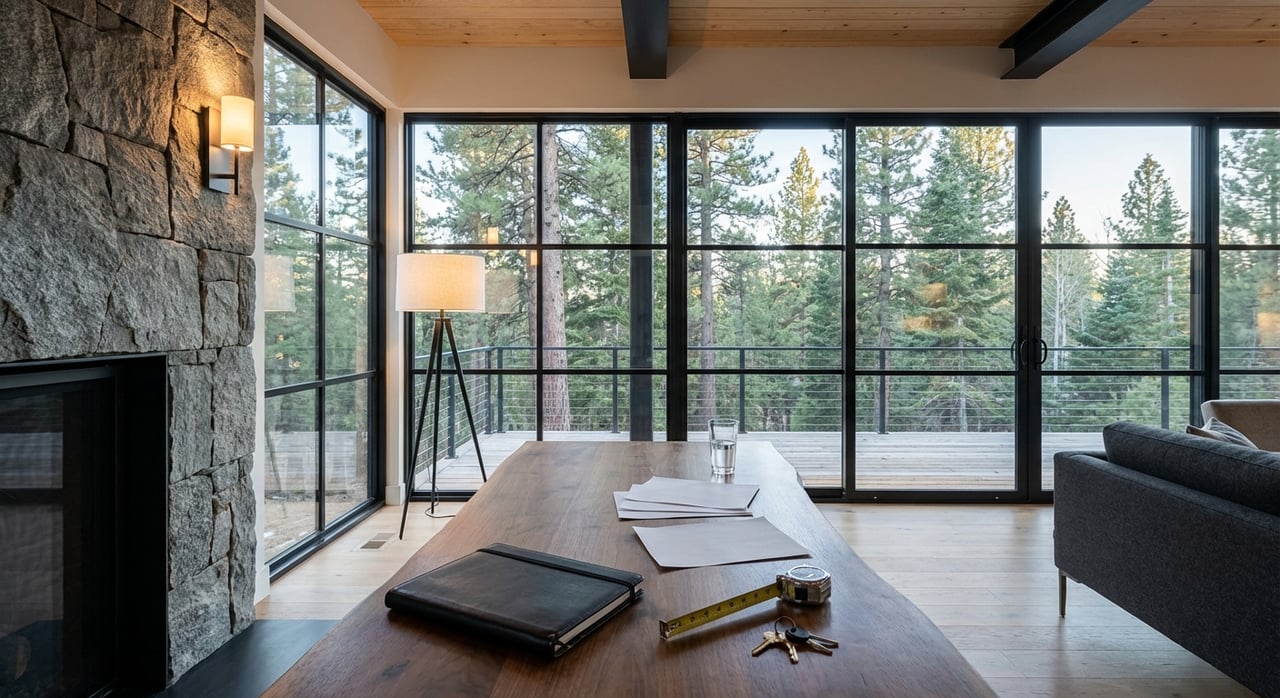
Pricing a mountain home is not the same as pricing in town. If you are selling in Evergreen or along the Clear Creek side of the foothills, view quality, acreage, access, utilities, and wildfire readiness can swing buyer demand and your final sale price. You want a number that invites strong early interest without risking a painful appraisal gap later. In this guide, you will learn how to set a smart price band, which factors move value in the mountains, and how to protect your leverage through appraisal and negotiation. Let’s dive in.
Evergreen market snapshot
Public housing portals often show different numbers because they track different things. As of early 2026, one source reports a median sold price near $1,195,000 with about 43 days on market, another lists a typical home value near $870,581 with a median days to pending of about 54, and a third shows a median list price near $925,000 with roughly 103 days on market. These snapshots use different data windows and definitions. In small mountain markets, that gap is normal because a few high or low sales can move medians fast.
What matters to your price today is a narrow, defensible band built from recent Evergreen solds that match your home’s key features. Also confirm the property’s jurisdiction. Evergreen is an unincorporated mountain community primarily in Jefferson County, with some areas overlapping Clear Creek County. Knowing which county you are in affects permitting, taxes, and, in some cases, water and sewer service. You can read more about the community context in the overview of Evergreen, Colorado.
Why portal numbers differ
- They may report list price, sold price, or an index value.
- The time frame can be last month vs last quarter.
- Evergreen’s low monthly sales count makes medians jumpy.
- Use a current MLS comp set for decisions, not a single headline number.
Mountain value drivers that move price
Views
Views matter, but not all views are equal. Classify your view as none, partial, framed, or panoramic, and document whether it is likely to remain. Protected open space reads differently than a sightline across buildable lots. Appraisers look for market evidence when they adjust for view quality, so include photos and close-in comps that share your view type.
Acreage and usability
In the foothills, buyers pay for usable land. A large number on acreage does not always translate to higher value if most of it is steep, rocky, or heavily wooded with a limited buildable envelope. When acreage is a big part of the story, appraisers often compare on a price-per-acre basis. Confirm parcel details with the county assessor. Jefferson County’s Assessor tools are a good starting point for parcel and site data: Jefferson County Assessor.
Access and road seasonality
Year-round paved access and a gentle driveway attract a wider buyer pool and are easier for lenders. A long, steep private drive or seasonal 4WD access can limit financing options and reduce traffic. Document snow-plow status, HOA road agreements, driveway grade, and travel times to major corridors. Clear, factual access notes belong in your pricing packet.
Utilities and financing
Public water and sewer typically widen the buyer pool and streamline underwriting. Well and septic are common in the mountains and can work fine, but they add inspections and paperwork that can slow deals. Confirm your service early. If you are on a district, the Evergreen Metropolitan District can help you verify connections. If you are in Clear Creek County, check local septic transfer and inspection rules through the county’s septic and OWTS FAQs.
Condition and wildfire readiness
Turnkey condition still sells at a premium, and wildfire resilience is increasingly top of mind. Colorado adopted a statewide wildfire resiliency code in 2025, and buyers often ask about defensible space, Class A roofing, and ember-resistant vents. If you have done mitigation or major system upgrades, gather invoices and photos. Learn more about the code effort through the state’s Wildfire Resiliency Code Board.
Insurance and buyer demand
Insurance availability and rising premiums are active issues in Colorado, especially in wildfire-prone areas. Buyers may request quotes or proof of insurability during negotiations. If coverage is hard to obtain or costly, the buyer pool can shrink or offers can soften. Recent reporting outlines how nonrenewals and higher premiums affect homeowners statewide. For context, see this coverage of Colorado’s insurance challenges from The Colorado Sun.
Choosing the right comparables
What appraisers expect
Appraisers aim for recent closed sales that mirror your home’s dominant value drivers: view type, lot size and usable acres, access characteristics, and utilities. When exact matches are scarce, they widen the map but keep functional traits aligned. The Uniform Appraisal Dataset requires clear reporting on site, view, and condition. You can preview those expectations in Fannie Mae’s UAD guidance here: UAD Appendix reference.
When making adjustments, appraisers may combine price per square foot for home size, price per acre for larger parcels, and paired-sales dollar adjustments for discrete features like a new septic system or a panoramic view. The key is documented market support.
Simple comp prep steps
- Pull all relevant solds in the micro-neighborhood from the last 60 to 90 days. If thin, expand to 6 to 12 months while matching key attributes.
- For each comp, record sale date and price, lot size and usable acres, view type with photos, access notes, utilities, and notable upgrades.
- Build a compact comp grid with a short memo that explains your net adjustments.
- Hand the appraiser a packet with plat maps, floor plans, and invoices for big-ticket work like roof, septic, and fire mitigation.
Pricing strategy and DOM
Avoid overpricing traps
Listings get the most attention in the first two weeks. If you price too high, you risk slow traffic, reductions, and weaker negotiating power. Industry reporting shows that as markets cool or face headwinds like insurance costs, more listings need cuts. If your first 1 to 3 weeks are quiet, a decisive adjustment usually outperforms a series of small reductions. A recent national read on market momentum is available here: NAR pending home sales summary.
Appraisal gap options
If a buyer loves your home and the contract price is above the appraisal, there are four common paths:
- Renegotiate the price.
- The buyer brings extra cash to cover the gap.
- The buyer requests a reconsideration of value with stronger comps through the lender.
- The buyer cancels under an appraisal contingency.
Pre-listing appraisals or a strong broker price opinion reduce surprises. For consumers, the CFPB offers helpful context on appraisal disputes and fairness. See the agency’s overview of appraisal issues and dispute processes: CFPB appraisal resource.
Seller action checklist
Use this quick list to strengthen your price and support a clean appraisal:
- Confirm your county, parcel data, and site characteristics with the Jefferson County Assessor or the equivalent for Clear Creek.
- If on public systems, request a water or sewer confirmation from the Evergreen Metropolitan District.
- If on well and septic, schedule any required inspections or transfer documents. Start with Clear Creek’s septic and OWTS FAQs.
- Document wildfire mitigation and major upgrades. Keep invoices and photos together. Learn about code context through the state’s Wildfire Resiliency Code Board.
- Capture high-quality photos that showcase the view from main living spaces and the usable portion of the lot.
- Ask your agent to prepare a compact comp grid and a short appraisal memo to share with buyers’ lenders and appraisers.
Final thoughts
A strategic price in Evergreen starts with local comps and a clear story about your home’s mountain value drivers. When you package your view, acreage, access, utilities, and wildfire readiness with strong market evidence, you invite serious buyers early and protect your leverage through appraisal and negotiation.
If you want a custom price band, a polished marketing plan, and confident negotiation from a foothills expert, connect with Mary Rosinski. She will help you price with precision and move forward with clarity.
FAQs
How should I price a well-and-septic home in Evergreen?
- Confirm permit status and any transfer requirements, gather recent inspection reports, and price against nearby solds with the same utility profile to reduce lender friction and appraisal risk.
What if my Evergreen appraisal comes in low?
- You can renegotiate, ask the buyer to cover a gap, request a reconsideration with stronger comps, or allow the buyer to cancel under the appraisal contingency if terms do not align.
How do wildfire mitigation and insurance affect price?
- Documented mitigation and insurability widen the buyer pool and can support stronger offers, while insurance challenges or lack of mitigation can limit demand or reduce offers.
Why does my county matter in Evergreen and Clear Creek?
- County lines influence taxes, permitting, utility districts, and septic transfer rules, so confirming your county and services helps set a realistic price and smoother path to closing.
Which comps are best for a view home?
- Prioritize recent sales with a similar view type and quality, matched for acreage and access; use photos and paired-sales logic to support any view premium in your pricing packet.